GPU vs ASIC Mining
GPU mining offers flexibility across multiple algorithms and rapid adaptation to market shifts, with lower entry barriers and easier experimentation. ASICs provide higher hash rates and energy efficiency for specific algorithms, delivering predictable performance but limited adaptability. Profitability hinges on electricity costs, coin selection, and lifecycle decisions like firmware updates or upcycling. A hybrid path can blend resilience with efficiency, yet regulatory and technological dynamics will influence which direction proves sustainable. The question remains: which approach aligns with long-term strategy?
How GPUs Enable Flexible Crypto Mining
GPUs enable flexible crypto mining by supporting a broad range of hashing algorithms beyond those optimized for ASICs, allowing miners to switch between currencies or adapt to fluctuating market conditions without hardware replacement.
This adaptability reflects GPU flexibility and software versatility, enabling rapid algorithm swaps, diverse profit strategies, and resilience against single-coin downturns while maintaining accessible, modular compute resources for experimentation and optimization.
Why ASICs Shine on Raw Hash Power and Energy Efficiency
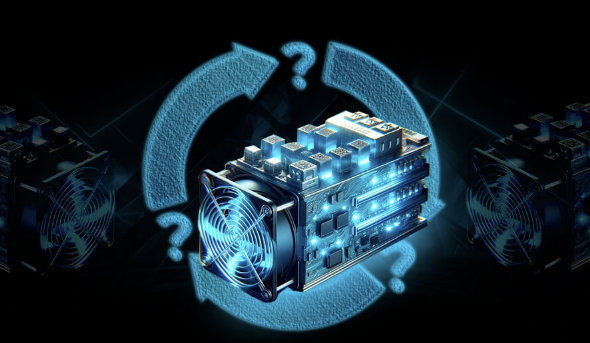
ASICs excel in raw hashing throughput and energy efficiency due to specialized, heavily optimized semiconductor design. In benchmarking, ASIC efficiency typically yields higher hash rate with lower per-unit energy use than GPUs, reflecting fixed-function optimization. Proponents emphasize predictable performance and energy savings, while critics note reduced flexibility relative to GPU versatility in mixed workloads and evolving algorithms.
Profitability, Lifespan, and When to Switch or Upcycle
Profitability, lifespan, and the decision to switch or upcycle hinge on hardware efficiency, market conditions, and remaining usable life under evolving algorithms.
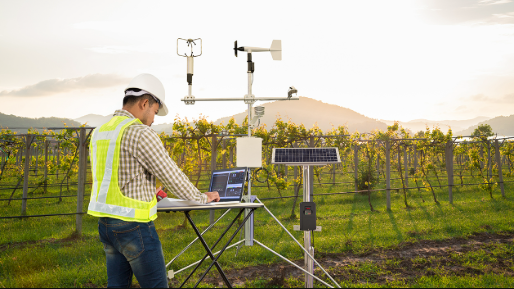
In dusty markets, profitability fluctuates with hash-rate competition and cartel dynamics, while solar farms influence electricity pricing and resilience.
Firmware updates and device aging shape upcycling choices, guiding when to switch between GPUs and ASICs as efficiency evolves.
Choosing the Right Path: GPU, ASIC, or Hybrid Strategies
What criteria determine the optimal path among GPU, ASIC, and hybrid mining configurations? Decisionmakers evaluate cost per hash, energy efficiency, hardware resale value, and access to updates. ASICs excel in steady, high-demand workloads; GPUs offer versatility and resilience; hybrids balance flexibility with efficiency. Consider regulatory risk, pool dynamics, and total cost of ownership. two word idea 1, two word idea 2.
Frequently Asked Questions
How Do Heat and Noise Affect Long-Term Mining Operations?
Heat stress accelerates component wear; sustained thermal cycles degrade performance. Noise reduction mitigates operator fatigue but may require reduced duty cycles. Firmware updates enhance power efficiency and stabilize operation; overall reliability improves with disciplined maintenance and monitored environmental controls.
Can GPUS Be Repurposed for Non-Mining Workloads After Retirement?
“Time is money,” notes the report. GPUs can be repurposed after retirement for non mining workloads; How GPUs, Non mining; Repurposing GPUs, Workloads, the analysis shows flexible utilization, efficiency considerations, and sourcing implications for freedom-seeking operators.
What Are the Environmental Impacts of GPUS Versus ASICS?
The environmental impacts favor ASICs in efficiency but vary by policy and grid; GPUs often consume more electricity per hash. An analytical view notes environmental policy and electricity sourcing crucially shape life-cycle emissions and sustainability outcomes.
See also: The Role of Technology in Environmental Protection
Which Mining Algorithms Are Most Volatile for GPUS?
The volatility of algorithms shocks observers; among GPU mining variants, Ethash and KawPow exhibit notable swings, while RandomX remains relatively steadier. Analysts cite hash-rate shifts, memory bandwidth demands, and market sentiment as drivers of algorithmic volatility.
How Do Resale Values Compare for Used GPUS Vs ASICS?
ASIC depreciation generally outpaces GPU resale decline, though high-end GPUs retain value better in short-term holds; overall, GPU resale remains steadier, while ASIC depreciation accelerates with algorithm shifts and supplier saturation, affecting long-term profitability and freedom in sourcing.
Conclusion
In assessing GPU and ASIC mining, the analysis favors balance over bravado. GPUs offer versatile adaptability and rapid experimentation, while ASICs deliver concentrated efficiency for fixed tasks. Profitability hinges on electricity, market dynamics, and device lifecycle strategies, including upcycling or firmware refreshes. A prudent path may blend strengths through a hybrid approach, easing exposure to volatility and regulatory shifts. Ultimately, flexibility remains the quietly enduring hedge, ensuring resilience without compromising the core aim: sustainable, data-driven outcomes.