The Role of Technology in Environmental Protection
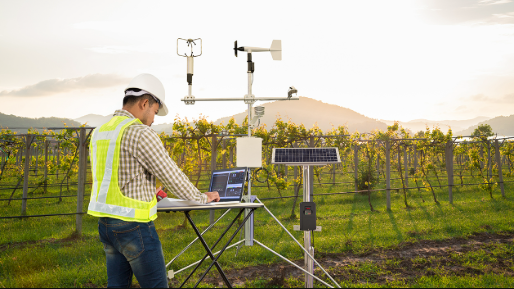
Technology has emerged as a pivotal force in environmental protection. Its advancements in renewable energy and waste management illustrate significant potential for sustainability. By employing innovative solutions, stakeholders can better monitor ecosystems and optimize resource use. However, the true extent of technology’s impact on environmental conservation remains to be fully explored. Understanding these dynamics can illuminate pathways for a more sustainable future. What further developments might shape this crucial intersection?
Innovative Renewable Energy Technologies Transforming Our Future
As the global community grapples with the urgent need for sustainable solutions to combat climate change, innovative renewable energy technologies emerge as pivotal agents of transformation.
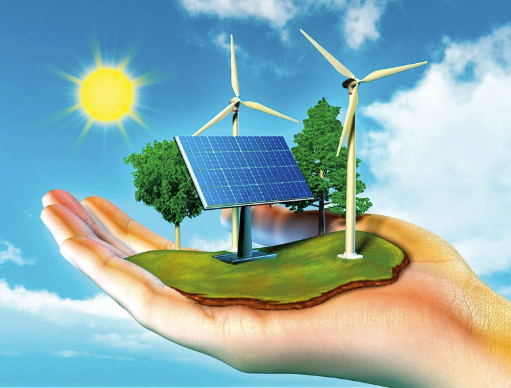
Solar panels harness sunlight, converting it into electricity, while wind turbines utilize air currents to generate power.
Together, these technologies significantly reduce reliance on fossil fuels, promote energy independence, and foster a cleaner, more sustainable future for all.
See also: The Role of Technology in Environmental Monitoring
Smart Waste Management Solutions for a Greener Planet
While traditional waste management practices often fall short in efficiency and sustainability, the advent of smart waste management solutions presents a transformative opportunity for cities worldwide.
Smart bins equipped with sensors facilitate real-time waste tracking, optimizing collection routes and reducing operational costs.
These innovations not only enhance recycling rates but also contribute to a greener planet, promoting a more sustainable urban environment.
How Can AI and Data Analytics Enhance Environmental Conservation?
Artificial intelligence (AI) and data analytics have emerged as pivotal tools in enhancing environmental conservation efforts.
AI applications facilitate real-time monitoring of ecosystems, while data visualization techniques transform complex datasets into accessible insights.
These advancements empower stakeholders to make informed decisions, optimize resource management, and predict environmental changes, ultimately fostering a proactive approach to conservation and ensuring the sustainability of natural resources for future generations.
The Role of Technology in Promoting Sustainable Practices
Technology plays a crucial role in promoting sustainable practices across various sectors by providing innovative solutions that enhance efficiency and reduce environmental impact.
For instance, advances in sustainable agriculture utilize precision farming techniques to optimize resource use, while the development of eco-friendly materials reduces reliance on harmful substances.
These technological advancements empower individuals and organizations to adopt practices that align with environmental preservation and sustainability goals.
Conclusion
In conclusion, technology plays an indispensable role in advancing environmental protection through innovative solutions and sustainable practices. For instance, according to the International Renewable Energy Agency, global renewable energy capacity reached over 2,800 gigawatts in 2020, illustrating a significant shift towards cleaner energy sources. This transition not only reduces reliance on fossil fuels but also fosters a more eco-conscious society. As technological advancements continue to evolve, they will undoubtedly further enhance efforts to safeguard the planet for future generations.