The Role of Technology in Environmental Sustainability
The intersection of technology and environmental sustainability presents both opportunities and challenges. Innovations in renewable energy and smart agricultural practices demonstrate how technology can enhance efficiency and resource management. However, an over-reliance on these tools may undermine traditional ecological methods. Balancing these approaches is essential for effective environmental stewardship. Understanding this dynamic is crucial as society navigates the complexities of sustainable development. What specific strategies can ensure this balance is achieved?
Innovative Renewable Energy Solutions Transforming Our Planet
As the global community grapples with the escalating impacts of climate change, innovative renewable energy solutions emerge as pivotal agents of transformation.
Solar innovations, such as advanced photovoltaic technologies, significantly enhance efficiency and accessibility.
Concurrently, wind advancements in turbine design and energy storage optimize energy capture and distribution.
Together, these developments foster a sustainable future, empowering societies to transition away from fossil fuels and embrace cleaner energy alternatives.
How Does Technology Enhance Waste Management Practices?
Technology plays a crucial role in enhancing waste management practices by streamlining processes and increasing efficiency.
Advanced waste tracking systems enable precise monitoring of waste generation and disposal, facilitating better decision-making.
Furthermore, innovative recycling technologies improve material recovery rates, reducing landfill dependency.
Together, these technological advancements foster a sustainable approach to waste management, promoting environmental responsibility while empowering communities to manage resources effectively.
See also:The Role of Technology in Environmental Protection
Smart Agriculture: Using Tech for Sustainable Food Production
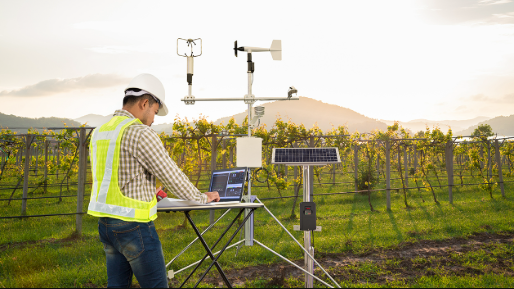
While the global population continues to rise and the demand for food increases, smart agriculture emerges as a pivotal solution for sustainable food production.
Precision farming techniques, enhanced by drone monitoring, facilitate data-driven decisions that optimize resource use, minimize waste, and increase crop yields.
This integration of technology not only supports food security but also promotes environmental stewardship, ensuring a sustainable future.
The Risks of Over-Reliance on Technology in Sustainability Efforts
Although technology plays a crucial role in enhancing sustainability efforts, an over-reliance on it can introduce significant risks that undermine environmental goals.
Technology dependence may lead to complacency, diverting attention from essential ecological practices.
Furthermore, excessive reliance on technological solutions can have unforeseen environmental impacts, such as resource depletion and electronic waste, ultimately jeopardizing the very sustainability initiatives intended to protect the planet.
Conclusion
In summary, the integration of technology into environmental sustainability presents both opportunities and challenges. For instance, the International Renewable Energy Agency reports that global renewable energy capacity reached 2,799 gigawatts in 2020, a testament to the potential of innovative solutions in reducing carbon emissions. However, the risks associated with over-reliance on technological advancements necessitate a balanced approach that incorporates traditional ecological practices. This synergy can ensure effective stewardship of natural resources, ultimately fostering a more resilient planet.