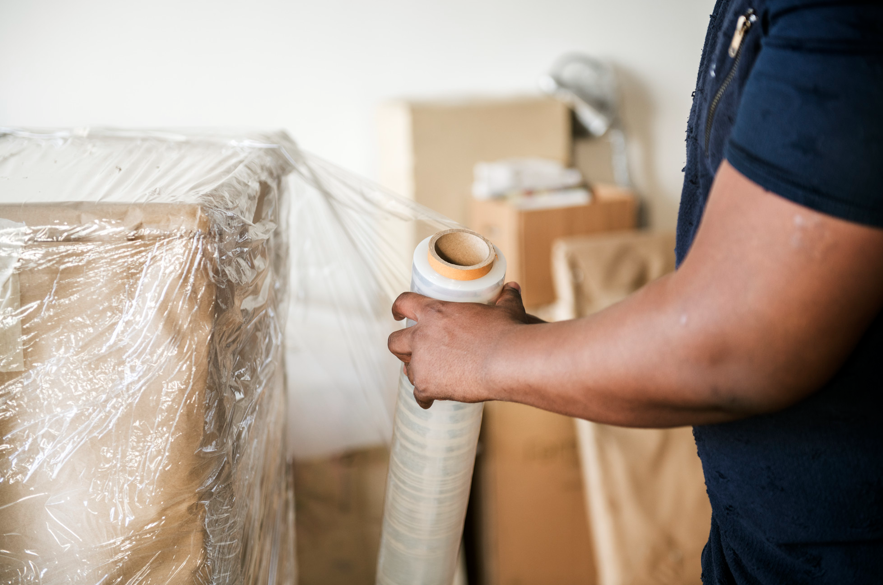
How to Build a Zero-Damage Shipping Kit Using Polythene Wrap and the Right Corrugated Box Bought Online
Shipping damage often happens because businesses rely on a single packaging material instead of combining multiple protective layers. A reliable shipping kit uses a strong corrugated box for structural protection and polythene wrap for moisture resistance and product stabilization. Understanding how these materials work together can help reduce transit damage, returns, and customer complaints.
Key Takeaways
- Structural Protection: Corrugated boxes absorb impacts and resist crushing during transit
- Moisture Defense: Polythene wrap helps protect shipments from dust, humidity, and water exposure
- Movement Control: Combining wrap, cushioning, and the right box minimizes product shifting
- Packaging Efficiency: Selecting the correct box strength improves shipment safety and reduces damage-related costs
Many amateur shippers assume all cardboard boxes share identical manufacturing steps. This common mistake leads to very poor parcel protection.
A secure shipping kit uses a systematic combination of materials. It relies on a heavy outer container for strength. It also uses flexible plastic coatings for environmental defense.
But why are these two kit components so distinct? The answer lies in their specific mechanical use cases.
A cardboard box provides vertical compression strength. It stops the parcel from crushing under heavy loads. It also creates a predictable geometric shape for courier handling. In contrast, plastic film provides high-tensile stabilization. It locks items in place tightly. Therefore, it prevents internal momentum damage.
So, building a zero-damage kit means that one needs to know about their differences to get the packaging right.
Table 1: A Quick Shipping Kit Checklist
What Are the Distinguishing Factors Within a Zero-Damage Shipping Kit?
Before we go into the operational details of the two materials, take a look at the table showing the core structural differences.
| Feature | Corrugated Box | Polythene Wrap |
| Primary Function | Structural protection | Moisture and movement control |
| Protection Against Impact | High | Low |
| Protection Against Water | Moderate | High |
| Prevents Internal Movement | Low | High |
| Stackability | Excellent | Not Applicable |
| Reusability | High | Limited |
| Best Use Case | Outer Packaging | Secondary protective layer |
Table 2: Key Differences Between Corrugated Boxes and Polythene Wrap
Now let’s get into the details.
1. Base Material Composition
This is the most obvious difference.
A proper outer shield requires ordering a corrugated box online. This container contains a fluted paper layer positioned between flat linerboards, creating a rigid structure that resists bending and compression.
In contrast, the inner protective layer uses high-grade polythene film. The material stretches under tension and forms a tight protective covering around products.
Corrugated Box
- Made from fluted paperboard and linerboards
- Provides rigidity and structural strength
- Helps maintain package shape during transit
- Suitable for stacking and load-bearing applications
Polythene Wrap
- Made from flexible polyethylene film
- Creates a tight protective seal
- Resists moisture and dust
- Helps secure products and bundled items
2. Physical Protection Mechanics
The protection methods for these materials address different shipping risks.
Corrugated boxes absorb external pressure and impacts. Polythene wrap, on the other hand, helps stabilize products and reduce movement inside the package.
How each material protects products:
Corrugated Box Protection
- Absorbs shocks from handling and transit
- Provides crush resistance during stacking
- Creates a protective outer shell
- Supports heavier shipment loads
Polythene Wrap Protection
- Holds products tightly together
- Minimizes shifting during transportation
- Reduces friction between packaged items
- Provides additional surface protection
3. Environmental and Moisture Defenses
The environmental safeguards on each component target different shipping hazards.
| Environment Risk | Corrugated Box | Polythene Wrap |
| Dust Protection | Moderate | High |
| Humidity Resistance | Moderate | High |
| Water Exposure | Limited | Strong |
| Surface Contamination | Moderate | High |
Table 2: Protection Against Environmental Risks
As the table shows, corrugated boxes and polythene wrap protect against different environmental risks. So, buying polythene wraps and corrugated boxes online and using both together creates a more balanced defense against moisture, dust, and contamination during transit.
4. Movement Restriction and Void Management
Internal shifting capabilities mark another huge division between the two designs.
The outer box features a fixed spatial volume. It is purely an external structural room.
Shippers add the internal contents by using specific centering methods. The box relies entirely on internal padding for product stabilization. This makes its inner dimension highly critical.
The polythene wrap includes a high-compression cling function. It features embedded multi-layer film technology. These stretch layers apply continuous inward pressure to the product.
This setup allows loose components to stay joined instantly during bumpy transit.
Why movement control matters:
- Reduces product-to-product collisions
- Prevents scratches and surface damage
- Minimizes breakage during handling
- Improves overall shipment stability
5. Design Intricacy and Assembly Steps
The sheer preparation complexity varies wildly between these two kit items.
The cardboard box uses traditional pre-creased folding flaps. On the other hand, the plastic wrap utilizes multi-layered wrapping paths instead.
Recommended assembly sequence:
- Choose the correct box size
- Wrap products with protective cushioning
- Secure items with polythene wrap
- Place products inside the box
- Fill any remaining void spaces
- Seal using the H-taping method
- Apply shipping labels
Common Packaging Mistakes That Increase Shipping Damage
Even high-quality packaging materials can fail when used incorrectly. Some of the most common shipping mistakes include:
- Using oversized boxes without proper void filling
- Selecting lightweight boxes for heavy products
- Applying a loose polythene wrap that allows movement
- Using insufficient packing tape on flap seams
- Leaving empty spaces around products inside the box
- Ignoring moisture protection during monsoon shipments
- Stacking fragile products without internal cushioning
Avoiding these mistakes can significantly improve parcel safety during transportation.
Choosing the Right Corrugated Box Strength
Buying polythene wraps and corrugated boxes online requires the selection of the correct box specification.
| Product Category | Recommended Box Type |
| Apparel | 3 Ply |
| Documents | 3 Ply |
| Books | 3 Ply |
| Electronics | 5 Ply |
| Glass Products | 5 Ply |
| Industrial Components | 5 Ply |
| Automotive Parts | 5 Ply |
Table 3: Box Strength Recommendations by Product Category
Ready to Reduce Shipping Damage and Improve Delivery Safety?
A quality shipping setup must address multiple transit hazards simultaneously. The right combination of corrugated boxes, protective wrapping, cushioning, and secure sealing can help reduce shipping damage, improve customer satisfaction, and support smoother deliveries. Choosing the right packaging materials today can help protect both your products and your customer experience tomorrow.
Browse online and check catalogs to find one provider who excels in both.