Architecture and Fashion Collaboration
Architectural silhouettes inform fashion’s discipline, translating grids, proportions, and light into drape and edge. Materials become alchemy, turning rugged concrete into tactile luxury through texture and finish. Typography acts as a shared grammar, aligning intent across teams and guiding visual decisions. Case studies of urban façades show how context shapes surface and form, hinting at a wardrobe that is both rigorous and imaginative. The next moves reveal how architecture can redefine what we wear.
How Architecture Inspires Fashion Design
Architecture provides a constant vocabulary for fashion design, translating spatial logic, light, and structure into textile forms, silhouettes, and surface treatments.
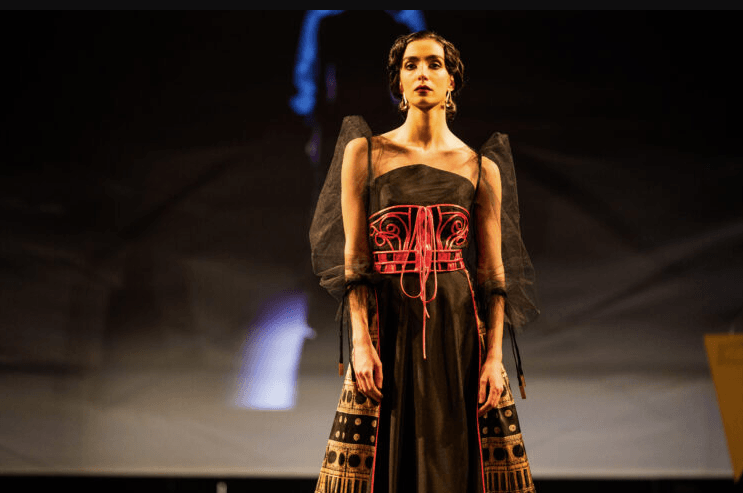
The analysis treats architectural silhouettes as templates, shaping drape, volume, and edge.
Spatial storytelling informs line breaks, geometry, and proportion, translating buildings into wearable narratives.
Designers interpret scale shifts, grids, and tension for contemporary, freedom-seeking wardrobes.
Material Alchemy: From Concrete to Couture
Observing the shift from structural honesty to tactile luxury, designers reinterpret rugged materials as expressive surfaces and sculptural assets.
Material alchemy emerges as a critical practice, converting concrete’s restraint into couture-like tactility.
Textures become dialogue, negotiating weight, grain, and sheen.
The discourse favors experimental restraint, precise finishes, and bold silhouettes, aligning architectural rigor with fashion’s freedom while validating audience appetite for perceptual innovation.
Typography, Form, and the Language of Collaboration
Typography acts as the shared grammar of design collaboration, translating disparate intents into a legible visual dialogue across architecture and fashion. The exploration centers on form language as a vehicle for cross-domain meaning, where typographic decisions mirror spatial rhetoric. Collaboration syntax emerges, guiding team dialogue, balancing restraint and risk, and framing motif, proportion, and material nuance as a coherent, trend-aware dialogue with freedom.
Case Studies: When Buildings Wear the Wardrobe
The selected case studies illuminate how architectural form and fashion aesthetics coalesce on built surfaces, revealing a shared toolbox of silhouette, texture, and material language.
From Copenhagen’s airy façades to Tokyo’s kinetic skins, these instances reveal urban silhouettes that shift with light and function.
They signal boundary crossing, where structure and garmentwise detailing converge, guiding future proposals with disciplined, visual clarity.
Frequently Asked Questions
How Do Architects Balance Aesthetics With Wearable Practicality?
Architects balance aesthetics with wearable practicality by prioritizing balanced form and wearable ergonomics, analyzing lines, materials, and movement; they translate visual trends into functional silhouettes that respect comfort, adaptability, and expressive freedom within everyday contexts.
See also:The Role of Technology in Environmental Protection
Can Architectural Principles Influence Personal Fashion Branding Strategies?
Architects note that 62% of brands report stronger recall when branding mirrors structural storytelling; thus, architectural principles can influence personal fashion branding strategies. The approach favors a minimalist silhouette and structural storytelling, visually trend-aware yet freedom-oriented.
What Role Does Sustainability Play in Collaborative Fashion-Architecture Projects?
Sustainability guides collaborative fashion-architecture projects through deliberate selection of sustainable materials and rigorous lifecycle assessment, enabling aesthetically expressive yet responsible designs that balance freedom of form with measurable environmental accountability.
How Do We Measure Success in Cross-Disciplinary Design Collaborations?
Measurement frameworks quantify impact through cross disciplinary metrics, balancing aesthetics and practice tension; collaboration governance guides processes. The analysis highlights topic ideas: measurement frameworks, cross disciplinary metrics, aesthetics practice tension, and collaboration governance to define success. Rhythm evokes momentum.
Are There Ethical Considerations Unique to Architecture-Influenced Fashion?
Yes, there are unique ethical considerations: ethical sourcing informs material provenance and labor practices, while privacy implications arise from wearable design and data collection, demanding transparent cycles and auditable standards in architecture-influenced fashion.
Conclusion
Architecture and fashion collaboration reveals how form and texture converse across disciplines. The conclusion alludes to urban façades as silent mentors, suggesting silhouettes rise from gridlines and light like frozen sketches coming to life. Material alchemy converts roughness into refined tactility, while typography provides a shared cadence for teams. In this disciplined, visually oriented dialogue, trends emerge not as fleeting echoes but as architecturally informed wardrobes—a poised convergence where buildings whisper their future silhouettes to fashion.
Title Page Separator Site title