The Complete Guide to Choosing Grills and Griddles for Backyard Barbecues
Backyard barbecues live and die by the equipment behind them. A great gathering isn’t just about good company and nice weather, it’s about having the right setup to cook efficiently, feed a crowd, and keep the whole experience stress-free. With so many grill and griddle options available, choosing the right combination can feel overwhelming, especially if you’re trying to build a setup that works for everything from casual weeknight dinners to full weekend cookouts.
This guide walks through the key differences between grills and griddles, what to consider before buying, and how to build a well-rounded backyard barbecue setup.
Grills vs. Griddles: Understanding the Difference
Before choosing equipment, it helps to understand what each option actually does best.
Grills cook food directly over an open flame or heat source, using grates that allow fat and juices to drip away. This produces the classic charred, smoky flavor associated with traditional barbecuing, ideal for burgers, steaks, chicken, and vegetables.
Griddles use a flat, solid cooking surface instead of grates. This makes them better suited for foods that would otherwise fall through grill grates, like smash burgers, pancakes, stir-fried vegetables, seafood, and breakfast items. Griddles also tend to offer more even heat distribution across the entire surface.
Many backyard cooks eventually want both, since each style excels at different types of meals.
See also: Why a Durable Nonstick Frying Pan Made in Italy Stands Out
Why Quality Barbecue Equipment Matters
Investing in reliable barbecue equipment isn’t just about performance, it directly affects consistency, safety, and how enjoyable the cooking process actually is. Lower-quality grills often struggle with uneven heat distribution, leading to unevenly cooked food and more hands-on monitoring. Higher-quality equipment tends to offer better temperature control, more durable construction, and features that make outdoor cooking genuinely easier.
For anyone hosting regular barbecues, this is an area worth prioritizing rather than cutting corners.
Key Factors to Consider When Choosing a Grill or Griddle
1. Cooking Capacity
Think about how many people you typically cook for. A small grill might work fine for weeknight meals but fall short during larger gatherings. Look for models with enough surface area to handle your typical group size comfortably.
2. Fuel Type
Gas grills offer convenience and quick heat-up times, while charcoal grills provide a more traditional smoky flavor. Some griddles run on propane as well, offering similar ease of use.
3. Build Quality and Materials
Stainless steel and heavy-gauge materials tend to last longer and distribute heat more evenly than thinner, budget alternatives.
4. Temperature Control
Adjustable burners or heat zones give you more flexibility, allowing you to sear at high heat in one area while keeping food warm at lower temperatures elsewhere.
5. Portability and Storage
If space is limited, consider foldable or compact designs that are easier to store during colder months or when not in use.
Building a Well-Rounded Backyard Cooking Setup
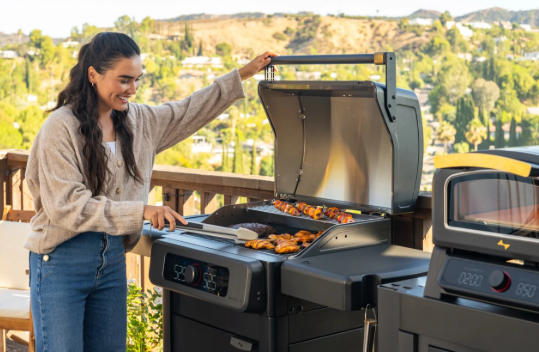
Many experienced backyard cooks don’t rely on just one piece of equipment. A common and highly effective setup includes:
- A grill for classic barbecue staples like burgers, steaks, and grilled vegetables
- A griddle for breakfast foods, smash burgers, and stir-fry style meals
- A pizza oven for high-heat, fast-cooking dishes like pizza and flatbreads
This combination covers nearly every type of meal, giving you the flexibility to switch between cooking styles depending on the occasion.
Expanding Beyond Grills: Exploring Wood-Fired Cooking
For those looking to add even more variety to their backyard setup, wood-fired cooking has become an increasingly popular addition alongside traditional grills and griddles. If you’re curious about this style of cooking, this wood pellet pizza oven review walks through setup, performance, and what to expect from pellet-based cooking, a great next step for anyone wanting to expand beyond standard grilling.
Maintenance Tips for Grills and Griddles
Proper maintenance keeps equipment performing well and extends its lifespan significantly:
- Clean grates or griddle surfaces after every use to prevent buildup.
- Season griddle surfaces regularly to maintain a natural non-stick layer.
- Check gas connections and hoses periodically for wear or leaks.
- Cover equipment when not in use to protect against weather exposure.
- Perform a deeper seasonal cleaning before and after peak cooking months.
Final Thoughts
Choosing the right grills and griddles comes down to understanding how you actually cook and what your typical gatherings look like. A grill delivers that classic smoky char, while a griddle offers versatility for foods that don’t work well on open grates. Together, they form the foundation of a well-equipped backyard barbecue setup, one that can easily be expanded further with additions like a wood-fired pizza oven for even more variety.
FAQ
1. Should I buy a grill or a griddle first?
It depends on your cooking habits. If you primarily cook classic barbecue foods like burgers and steaks, start with a grill. If you want more versatility for breakfast foods or stir-fry style meals, a griddle is a strong first choice.
2. Can a griddle replace a traditional grill entirely?
Not completely. While griddles are versatile, they don’t produce the same charred, smoky flavor that grills do, so many cooks prefer owning both.
3. What’s the best fuel type for beginners?
Gas is generally the most beginner-friendly option, offering quick heat-up times and consistent temperature control without the learning curve of charcoal.
4. How often should barbecue equipment be deep cleaned?
A thorough deep clean every few months, in addition to regular after-use cleaning, helps maintain performance and extends the equipment’s lifespan.
5. Is it worth adding a pizza oven to a grill and griddle setup?
Yes, especially for those who enjoy variety. A pizza oven covers high-heat, fast-cooking meals that neither a grill nor griddle can replicate as effectively.