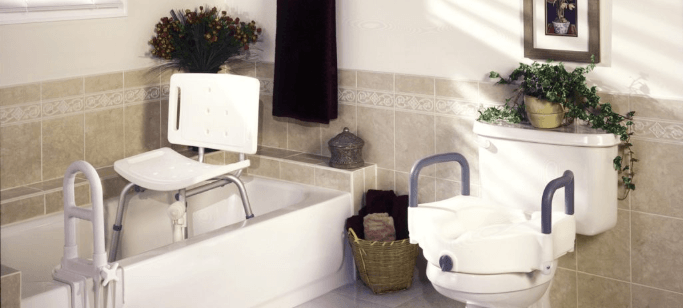
How can bathroom safety products support independent living at home?
Margaret had been putting off the discussion of assisted living for months. The idea of leaving her nearly 40 year old home was difficult enough, but the real fear was of how she would manage in the bathroom. The smooth surface of her floor, the height of her tub and the difficulty of hanging on while trying to stand made her worried and even frightened for her safety. A routine task had become one of anxiousness and potential harm.
Small changes in health can quickly take of of the independence of people living in Australia, but for Mary it is the little changes in her bathroom that have enabled her to live at home safely. For Mary it is a area of conflict that can also bring her great satisfaction after a range of safety features have been implemented.
The hidden psychology of bathroom confidence
We associate independence with the ability to walk. However, Independence also means having the emotional Independence to deal with urinary or fecal bathroom anxiety. Many of our clients are surprised at the number of ways that their disability can affect their lives. In addition to physical inabilities, most of our clients have to cut back on the amount of fluids that they consume for fear of having an accident in the bathroom. This results in clients not taking showers or baths for fear of having an accident in the bathtub. It also causes them to go to bed earlier or wake up later in order to have enough time in the morning to get ready for the day. Some clients even wear pajamas to work all day, or change from dressy to casual clothes in the bathroom for the day because they are afraid to go to the bathroom in their work clothes. This results in clients staying in their bedroom to change their clothes for the day.
If people with lack of confidence do not use physical activity then they can continue to decline. However, with a few simple adaptations safe physical activity can be made accessible to them and they can go back to doing levels of activity they currently do, but with increased confidence, comfort and well-being.
Bathroom safety for people with disabilities is often viewed as requiring major renovations or medical equipment that can come across as “disabled”. However, with a few strategically placed safety features you can make your bathroom more accessible without sacrificing style.
Grip, stability, and secure footing
When water is allowed to evaporate from wet carpets, it can leave a layer of water that can provide a slippery skating rink for your pet to slide on. Additionally, soaps and other cleaning agents can leave behind a residue that can make a slippery surface even more treacherous. Bathrooms are especially hazardous because of the hard edges and surfaces, unlike the rest of your carpeted home. Accidents in these areas can be particularly severe.
Non-slip mats serve as the first line of protection against falls in bathrooms. But, like any protection, they only work as well as you need them to. This means they have to be installed and maintained appropriately. Ideally, the mat should cover the area where your feet would naturally land when stepping down from the shower recess or approaching the vanity. It is worse to have a mat that creates a slip hazard because it fails to stay put under your feet.
Well-installed grab bars can make all the difference, turning a tentative reaching motion into a confident and secure one. But poorly installed grab bars can end up in the wrong location, and serve as a lure to potential drinkers, by being easily accessible rather than where they are needed most, such as near the toilet, at the shower entry, or in other locations in the bathing environment. Grab bars are weight bearing, so their ideal location is where the majority of weight bearing grabbing will take place.
See also: The Essential Tech Stack for US College Students: Navigating AI-Human Hybrid Workflows in 2026
Comfortable seating transforms the shower experience
Washing can become a tiring and hazardous activity for many people with mobility problems or fatigue. A secure and comfortable shower chair can be a lifesaver by allowing you to have a through wash while being confident that you will always be able to maintain your balance.
Seating for your shower or bath may seem like a simple facility to include in your bathroom, but really good seating goes further than just preventing you from slipping over and looses the fear of having a shower. There is plenty to enjoy about having a shower, and good seating puts you back there again. Many of our seats are height adjustable, so you should find there is a model to suit.
Small changes with disproportionate benefits
We offer a range of products which can help make the lives of people with disabilities significantly easier. Products such as raised toilet seats make it easier for somebody who has a disability to sit upon a toilet and stand up from it. Other items like shower heads with a handheld shower head make it easier for the person who has a disability because no longer do they have to move around to wherever the water is coming from under a fixed position.
In terms of modifications to the home to help arthritis, etc. lever-style faucets are often mentioned because they require less grip strength than traditional faucets with handles. These type of products are not medical devices, therefore they can be purchased without a doctor’s prescription and are often not approved by insurance. Many products are available and have a long history of use by people with disability. Although most of these products are relatively inexpensively priced, the biggest barrier to their installation is one of perception.
Preserving dignity while making improvements
The best bathroom modifications look like normal aging changes rather than downward decline. Grab bars are selected to have a decorative or supplemental function rather than an assistive function. A well chosen toilet seat can become a comfortable reading nook chair rather than a symbol of decline.
For many parents of children with DD, some of the most difficult decisions are made about their child’s treatment or direction for development. How can we raise safety concerns with parents without offending them or appearing powerless to handle issues that are important to families? But instead of starting there, we can begin by focusing on possibilities!
All mods have been completed. Its now 6 months on and Margaret has never spoken of her bathroom routine being a problem since all modifications were completed. Having all around the house access is independence. Many people understand that access for a wheelchair user is often harder for all to achieve 100% accessible accommodation however its not about that degree of facilitation, its about being able to do things the way you want as a wheelchair user.