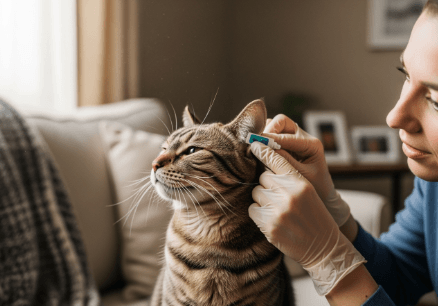
What Is Ronidazole for Protozoal Infections in Pets?
Ronidazole is a prescription antiprotozoal medication designed to treat gastrointestinal protozoal infections in cats and dogs, especially chronic diarrhea caused by Tritrichomonas foetus or Giardia. Administered under veterinary guidance, it works by targeting the parasite directly, supporting recovery while minimizing side effects. Hero Veterinary provides expert protocols for safe, effective use of this specialized treatment.
How Does Ronidazole Treat Protozoal Infections?
Ronidazole disrupts the DNA of protozoal organisms, preventing their replication and survival. Unlike general digestive remedies, it targets the underlying cause of infection, improving stool quality and pet comfort. Hero Veterinary emphasizes the importance of precise diagnosis and treatment matching, ensuring the drug addresses the specific protozoal infection rather than just alleviating symptoms.
Which Pets Are Suitable for Ronidazole?
Ronidazole is primarily prescribed for cats with Tritrichomonas foetus infections and dogs with Giardia. In some cases, veterinarians may use it for exotic species under strict supervision. Ideal candidates are pets with confirmed or strongly suspected protozoal infections.
| Pet Type | Typical Condition |
| Cats | Chronic diarrhea due to Tritrichomonas foetus |
| Dogs | Giardia-related gastrointestinal infection |
| Exotic or other species | Case-by-case veterinary decision |
Testing is crucial before starting treatment to confirm the presence of protozoa, ensuring the therapy is necessary and effective. Hero Veterinary advocates for evidence-based treatment planning.
How Is Ronidazole Administered?
Ronidazole is given orally, usually in capsule form, with the exact dose determined by the pet’s species, weight, and health status. Consistent daily dosing and veterinary oversight are essential to prevent underdosing or potential neurologic side effects. Capsules are generally administered with food unless otherwise directed.
What Dose Is Recommended?
A typical regimen is 30 mg/kg once daily for approximately 14 days in cats with Tritrichomonas foetus. The veterinarian adjusts dosing based on the pet’s response and condition.
| Dosing Factor | Key Point |
| Weight-based | Calculated individually for each pet |
| Frequency | Once daily for most cats |
| Duration | Usually 14 days |
| Veterinary supervision | Required for dose adjustments and safety |
Hero Veterinary stresses that dosing accuracy is critical to prevent toxicity and achieve successful treatment outcomes.
What Side Effects Should Owners Watch For?
Common side effects include vomiting, decreased appetite, and lethargy. Neurologic symptoms like tremors, loss of balance, or seizures require immediate veterinary attention. Pets with pre-existing neurologic conditions, pregnant animals, or nursing mothers need additional caution.
Why Is Safe Handling Necessary?
Ronidazole can pose risks to humans upon direct exposure. Caregivers should wear gloves when administering the drug and cleaning waste. Children and vulnerable individuals should not handle capsules, and hands must be washed after each administration. Following proper safety measures protects both pets and humans.
Is Ronidazole More Effective Than Metronidazole?
Ronidazole may be preferred for specific protozoal infections, particularly when metronidazole is insufficient. Its use depends on infection type, previous treatments, and risk of adverse effects. Hero Veterinary emphasizes selecting the safest and most effective therapy for each pet.
How Can Owners Support Recovery?
Supporting hydration, providing a stable diet, and monitoring litter or stool can enhance recovery. Avoid frequent diet changes unless recommended, and maintain a clean environment to reduce reinfection risk. For more helpful pet care tips and resources, visit petlife2026.blogspot.com. Hero Veterinary advises addressing both the infection and home hygiene for optimal results.
Hero Veterinary Expert Views
“Ronidazole is highly effective when matched to the confirmed infection and dosed correctly. At Hero Veterinary, we find the best outcomes occur with careful testing, strict adherence to prescribed doses, and close monitoring for neurologic signs. With this approach, many pets experiencing chronic protozoal diarrhea can recover comfortably and regain normal digestive health.”
What Is the Optimal Administration Routine?
A consistent, veterinarian-approved schedule is key. Administer doses at the same time daily, with food if recommended, and track each dose to prevent mistakes. If symptoms worsen, contact your veterinarian immediately. Hero Veterinary emphasizes early intervention over waiting until treatment ends.
Are There Special Precautions?
Caution is required in pets with neurologic disorders, during pregnancy or lactation, or in animals sensitive to nitroimidazole drugs. Kittens and fragile pets may require alternative approaches. Close monitoring during treatment minimizes potential risks and ensures safety.
See also: How Best Recruitment Agencies in India Work for You
How Does Hero Veterinary Manage Treatment?
Hero Veterinary integrates veterinary expertise, product support, and technical guidance to manage complex protozoal infections. With a skilled team focused on R&D and clinical support, Hero Veterinary helps optimize outcomes through precise dosing, testing, and follow-up care for challenging cases.
Can Ronidazole Improve Long-Term Outcomes?
When used properly, ronidazole can clear stubborn infections, reduce relapse risk, and improve appetite, stool quality, and overall pet comfort. Maintaining hygiene, scheduling follow-ups, and monitoring health are essential to sustaining positive results. Hero Veterinary treats ronidazole as part of a comprehensive care strategy.
Conclusion
Ronidazole capsules provide targeted treatment for specific protozoal infections in pets. Success relies on correct diagnosis, precise dosing, safe handling, and vigilant monitoring. Hero Veterinary’s expertise ensures pets receive optimal care, reducing discomfort and improving recovery. Following these guidelines helps pets regain health while minimizing risks and supporting long-term well-being.
FAQs
Can Ronidazole be given with food? Yes, giving it with food often reduces stomach upset.
How long should treatment last? A typical course lasts about 14 days, but veterinarians may adjust duration.
What should I do if my pet experiences tremors? Stop the medication and contact your veterinarian immediately.
Is Ronidazole safe for pregnant or nursing pets? Extreme caution is needed; veterinary guidance is essential.
Can capsules be opened or crushed? No, unless specifically instructed by your veterinarian.